The AI Trap: is your business accidentally giving away its IP?
Generative AI has quietly moved from a novel experiment to a core business infrastructure for SMEs. From marketing copy and proposals to product design and internal strategy, AI tools are now embedded in day-to-day operations for many SMEs. However, a critical question remains: if AI helps you create it, do you actually own it?
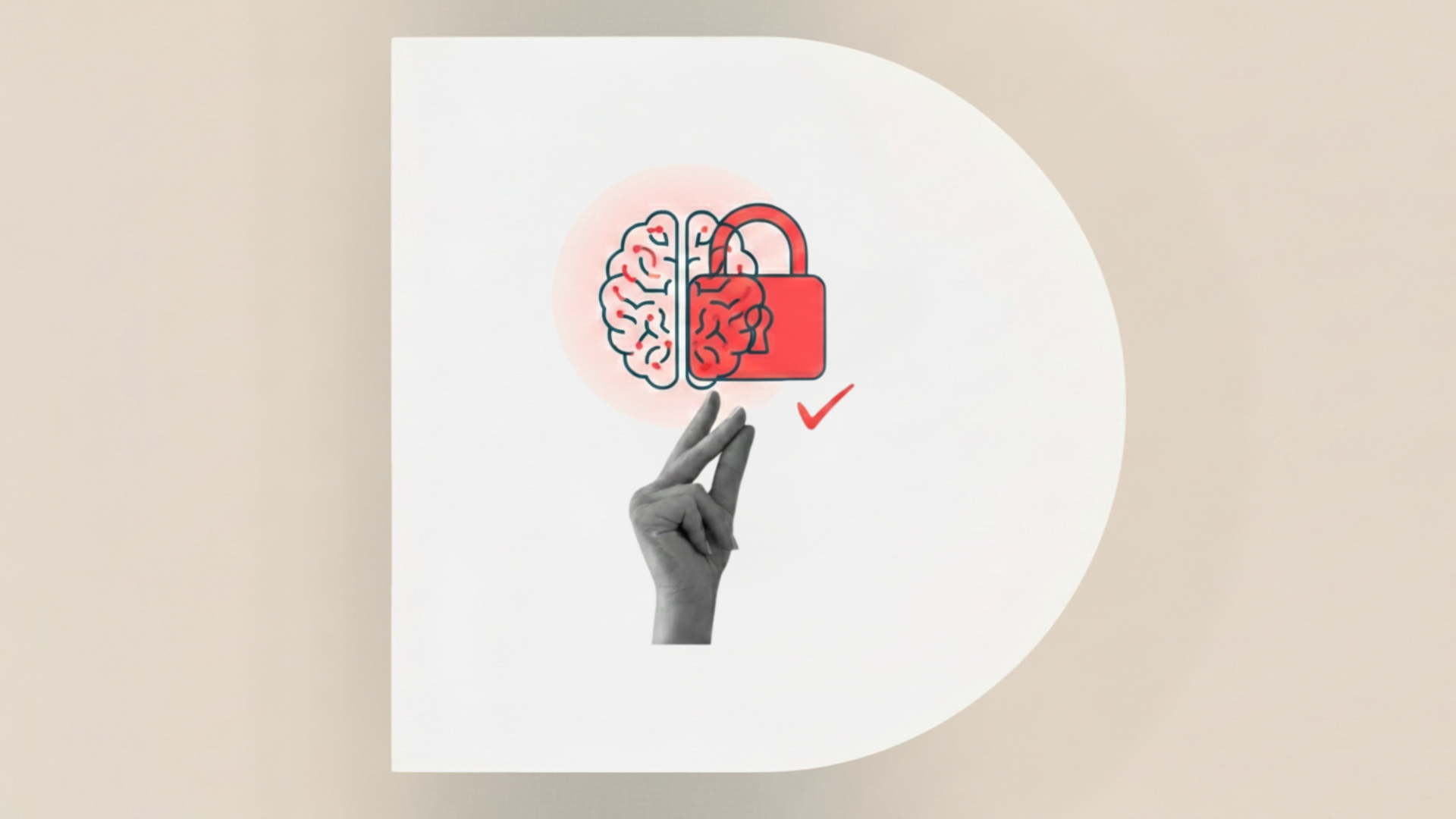
If AI helps create it, do you actually own it?
For SMEs, intellectual property (IP) is often your most valuable asset. If your IP is built on shaky legal ground, it can devalue your company, complicate future funding or lead to costly disputes.
Here is what your business needs to know (and do!) to stay protected.
The "Ownership Gap" in AI outputs
In many jurisdictions, including the UK, copyright law traditionally requires a human author. The law distinguishes between computer-generated work (no human author) and computer-assisted work (where a human uses a tool to create, and the human is clearly the author).
The UK is one of the few countries with specific legislation regarding computer-generated works. Under the Copyright, Designs and Patents Act 1988 (CDPA), copyright can protect works generated by a computer even where there is no human author. In these cases, the author is deemed to be the person who "undertook the arrangements necessary for the creation of the work."
However, this legal position has not yet been fully tested in court regarding modern generative AI, leaving some ambiguity about the exact threshold of "arrangements".
The Risk: If you use an AI tool to create key business assets without significant human intervention, you may find that the output cannot be copyrighted. This means competitors could potentially use "your" assets without legal repercussions.
The Strategy: Ensure your team is documenting the "human-in-the-loop" process by:
providing clear creative direction;
actively refining, editing and shaping outputs; and
documenting human decision-making and authorship.
The more human refinement and creative direction involved, the stronger your claim to IP ownership becomes.
Essential steps to protect your business
Implement an AI Usage Policy: Don't leave it to chance. A formal AI Usage Policy should outline which tools are permitted, what kind of data can be entered (to avoid leaking trade secrets) and how AI-generated content must be reviewed by a human. This policy should apply not only to employees, but also to contractors and consultants working with your business.
Audit your "input" data: What you put into an AI tool is just as important as what comes out. Inputting sensitive client data or proprietary information into public AI models can result in a loss of confidentiality. Always use Enterprise-grade tools that guarantee your data isn't used to train their public models, and avoid putting sensitive business information or customer data into the tools.
The AI-Safe IP Checklist
Before AI-generated work becomes embedded in your business, ask yourself:
Do we have a documented AI usage policy? Is it clear which tools are approved, how they can be used and who is accountable for oversight? You can find our AI Usage Policy here.
Is there a clear “human-in-the-loop” process? Are AI outputs actively directed, reviewed and refined by a named individual — and is that involvement recorded?
Do we understand the AI tool’s terms of service? Have we checked who owns the outputs, how inputs are handled and whether the provider limits liability for IP disputes?
Are we controlling what data goes into AI systems? Is sensitive commercial, client, or proprietary information excluded from public or consumer-grade models?
Are we using enterprise-grade tools where it matters? Do key workflows rely on platforms that contractually guarantee your data is not used to train public models?
Are contractors and consultants following the same rules? Do external contributors use approved tools and assign any AI-assisted IP back to your business?
Could we explain our AI use in due diligence? If an investor or buyer asked today, could we clearly show how AI was used and why the IP still belongs to us? Investors and buyers look for clear "chains of title" regarding intellectual property.
If any of these questions give you pause, it’s a sign your AI usage has outpaced your governance and that your IP may be more exposed than you realise.
The Bottom Line
AI is a powerful co-pilot, but it shouldn't be the sole captain of your intellectual property. By formalising your approach today, you ensure that the innovations you're building now remain yours in the future. Find out AI Usage Policy here.

Heather Stark