The 'Handshake Deal' Trap: why verbal agreements are such a risk
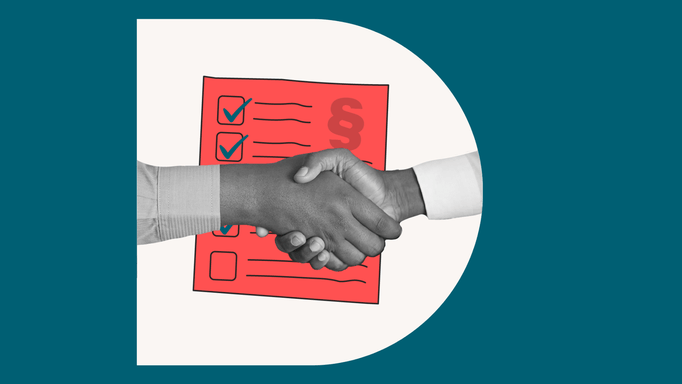
While verbal agreements can be legally binding in the UK, relying on them is a big risk for an SME to take. Here’s why the ‘handshake deal’ is a trap - and how to avoid it without slowing down.
1. The "I-Said, They-Said" deadlock
The biggest issue with verbal contracts isn't their validity; it's their enforceability. If a dispute arises six months down the line, a court can’t verify what was said. Without a written record, a judge is forced to weigh one person's word against another's.
Common points of failure include:
Payment terms: Was it "30 days from invoice" or "30 days from completion"?
Scope creep: Did that fixed fee cover the extra three features you discussed over lunch?
Termination: Can you end the relationship tomorrow, or are you locked in for a notice period you "talked about" once?
2. The IP ownership black hole
This is the silent killer for tech startups and creative agencies. Under UK law, the default rule is often that the creator of a work (like a logo, a piece of code, or a marketing strategy) owns the Intellectual Property (IP) unless there is a written agreement to the contrary.
If you pay a freelancer via a handshake deal, you might have a license to use the work, but you may not legally own it. This means you could pay for work you don’t legally control. It can also become a catastrophic "due diligence" red flag if you ever try to sell your business or raise investment.
3. The "last shot" rule
In business-to-business dealings, parties often exchange emails with conflicting terms. If you don’t have a signed contract, courts may apply the “Last Shot Rule” - meaning the last set of terms sent before the work began (sometimes buried in the footer of an invoice or email) can become the legally binding contract.
For example, you might agree on pricing and scope over email, assuming your standard terms apply. But if the supplier later sends an invoice with their own terms attached, and you proceed with the work without objecting, those terms could take precedence. That might mean stricter payment deadlines, limited liability on their side or even different termination options than you expected.
Without a clearly agreed, written contract, you may end up bound by terms you never actively reviewed - let alone agreed to.
How to protect your business, without slowing down
Many founders avoid written contracts because they fear "legal bloat" - long, expensive delays caused by traditional law firms. But in 2026, protection doesn't have to mean a 40-page document.
Use a letter of intent: If you aren't ready for a full contract, at least outline the key commercial terms in a letter of intent.
Standardise your terms: Have a robust set of Terms & Conditions that you can "incorporate" into every deal with a single link or signature.
Use easy signing methods: Use Docue's e-signature feature to get a legally valid signature on a contract, quickly and easily.
Maintain audit trails: Use a platform like Docue Drive to ensure that contracts are timestamped and stored centrally.
The Bottom Line: A handshake is a great way to start a relationship - but only a written contract protects it. Don't let a "simple misunderstanding" become an expensive legal battle. Check out Docue's wide range of legal templates here.